First Time Home Buyers
What Should First-Time Buyers Know Before Purchasing a Home in Stuart?
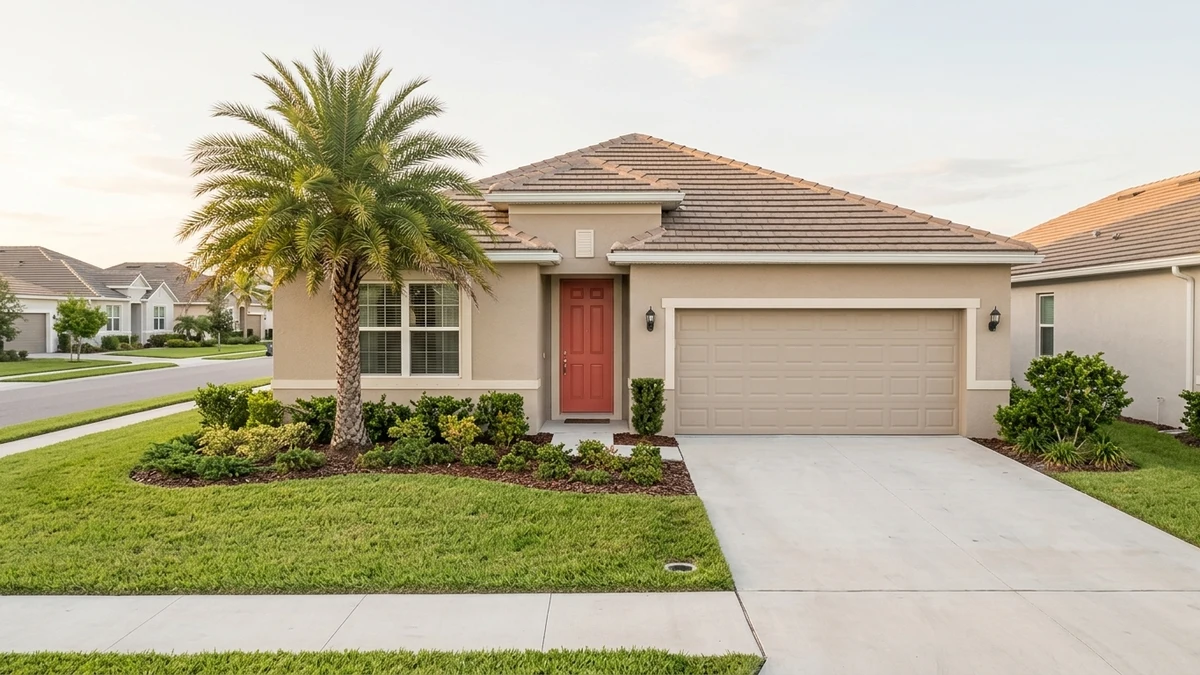
Walk through budgeting, lender conversations, inspections, and ownership costs so your first Stuart purchase stays within a comfortable range.
On this page
Start With a Lender, Not a Listing
A first home purchase in Stuart starts with a realistic conversation with a licensed lender, not with browsing listings you are not yet sure you can afford.
A lender can walk you through what you actually qualify for, what documentation you need, and how your specific financial picture affects your options.
Get this conversation out of the way early. It changes how you search, and it prevents the disappointment of falling for a home outside your range.
Understand What Your Payment Actually Includes
Your monthly payment is more than principal and interest. Property taxes, homeowners insurance, flood insurance if applicable, and any HOA dues all add up.
- A lender conversation before you start touring homes
- A full monthly payment estimate including taxes, insurance, and HOA dues
- A short list of priorities you are not willing to compromise on
- Age and condition of the roof and AC system
Decide What You Are Willing to Compromise On
Ask your lender for a full breakdown on any property you are seriously considering, not just an estimated mortgage payment.
- Flood zone designation and insurance estimate
- Any HOA or association documents
- A licensed inspector's full report before you close
- A clear top price before you start negotiating
- A clear walk-away point before you are under pressure to decide
Ask the Right Questions Before You Tour
Make a list of what matters most to you: number of bedrooms, commute distance, yard space, school zone, or property type. Then decide honestly which of these you could compromise on if needed.
A first-time buyer who knows their real priorities in advance moves through showings faster and negotiates with more confidence.
Before touring a property, ask about the age of the roof and AC, any known repairs, flood zone designation, and whether the home has HOA or association requirements.
Take Inspections Seriously
A seller's disclosure will cover some of this, but direct questions asked early can save you from touring homes that were never going to work for your budget or needs.
A home inspection is not a formality. It is one of the most useful tools you have to understand what you are actually buying.
A first home is a big decision, but it doesn't have to be a rushed one. Know your numbers, ask your questions, and let the process move at a pace you're actually comfortable with.
Negotiate With Your Limits in Mind
Read the inspection report carefully and ask the inspector directly what would concern them most if this were their own purchase.
An inspection finding is not automatically a deal-breaker. It may simply be something to negotiate, repair before closing, or budget for afterward.
Know Where Your Comfort Level Ends
When you make an offer, know your top price and your walk-away point before you are in the middle of negotiations, not during them.
A competitive market can create pressure to stretch past your limits. Decide those limits in advance so a bidding situation does not make the decision for you.
Buying your first home in Stuart should feel like a decision you made with clear eyes, not one you were pushed into by timing or excitement alone.
This article is educational and does not constitute legal, financial, or tax advice. Verify current details with the appropriate professional or local authority before making a decision.

Written by