Relocating to Florida
Can You Buy a Treasure Coast Home From Another State Without Seeing Every Property in Person?
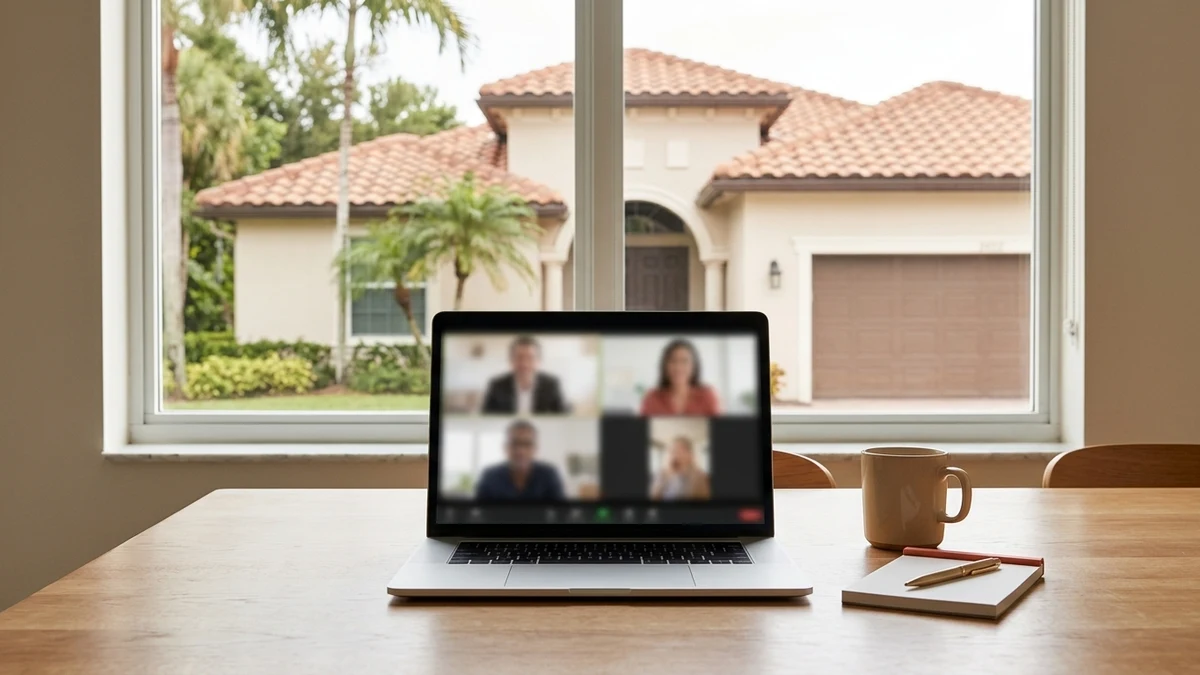
Learn how video tours, targeted questions, and coordinated inspections can support a long-distance Treasure Coast purchase without skipping essential due diligence.
On this page
- Decide What Must Be Seen in Person
- Use Video Tours as a First Filter, Not a Final Answer
- Ask Property Questions Before You Ask for a Tour
- Coordinate Inspections When You Cannot Attend
- Plan Your Travel Days Around What Actually Needs Eyes on It
- Understand What a Remote Closing Involves
- Build a Team Before You Need One
Decide What Must Be Seen in Person
Buying a Treasure Coast home from another state is possible, but it works best when you decide in advance which parts of the process truly require you to be physically present.
A live or recorded video tour can rule properties in or out quickly. It cannot replace standing in a room, testing water pressure, or noticing a smell that a camera will never pick up.
Treat early video tours as a filter. Their job is to narrow ten properties down to two or three worth a closer look, not to replace the closer look itself.
Use Video Tours as a First Filter, Not a Final Answer
Before scheduling a tour, ask for specifics: age of the roof and AC, flood zone designation, HOA or association documents, recent repairs, and anything currently disclosed as a known issue.
A seller's agent or listing description will not always volunteer this information unprompted. Direct questions asked early save you from touring properties that were never going to work.
If you find a property worth pursuing, a licensed home inspector can attend in person and walk you through findings by phone or video afterward. This is one of the most important steps to not skip, even from a distance.
Ask Property Questions Before You Ask for a Tour
Ask the inspector directly whether anything found would change your offer or your walk-away point. An inspection report full of technical language is less useful than a direct conversation about what actually matters.
If you can make one trip to Florida, plan it around final decisions rather than broad exploration. Use remote research to narrow your list first, then spend in-person time on the properties that are still realistic contenders.
A single, well-planned visit covering two or three finalists is usually more useful than trying to see everything in one trip.
Coordinate Inspections When You Cannot Attend
A remote closing typically involves a local title company, a notary or mobile notary, and documents signed electronically or in front of a notary near you.
- Age and condition of the roof and AC system
- Current flood zone designation and insurance estimate
- HOA or association documents, if applicable
- Any known repairs or disclosed issues
Ask your title company early which documents require an in-person notary versus remote online notarization, since this varies by document and by state.
Plan Your Travel Days Around What Actually Needs Eyes on It
Wiring instructions for closing funds should always be confirmed by phone with a known contact at the title company, never solely through an emailed link, to avoid wire fraud.
| Step | Can Be Done Remotely | Usually Needs Someone On-Site |
|---|---|---|
| Initial property research | Yes | No |
| First-round video tour | Yes | No |
| Home inspection | Report can be reviewed remotely | Yes, an inspector attends in person |
| Repair estimates | Quotes can be shared remotely | Yes, a contractor typically visits |
| Closing signature | Often, with remote online notarization where available | Sometimes, depending on the document and state |
A lender, a title company, and a real estate attorney if you choose to use one should all be identified before you are under contract, not after.
Understand What a Remote Closing Involves
Having these contacts in place before you need them prevents last-minute scrambling when a document or a signature deadline arrives with little notice.
A local agent who is used to remote buyers can often coordinate contractors, photographers, or a second set of eyes when you cannot be there yourself.
Build a Team Before You Need One
Ask directly what that agent has done for other out-of-state buyers, and whether they are comfortable managing logistics you cannot handle in person.
- Whether a licensed inspector can attend in person
- How closing documents will be signed remotely
- Who at the title company will confirm wiring instructions by phone
- Which single trip, if any, is worth making in person
None of this replaces qualified legal, financial, or inspection advice. It simply organizes the practical steps so a distance purchase feels manageable rather than overwhelming.
This article is educational and does not constitute legal, financial, or tax advice. Verify current details with the appropriate professional or local authority before making a decision.

Written by