First Time Home Buyers
Is a Stuart Townhome, Condo, Manufactured Home, or Single-Family House the Better Fit for Your First Purchase?
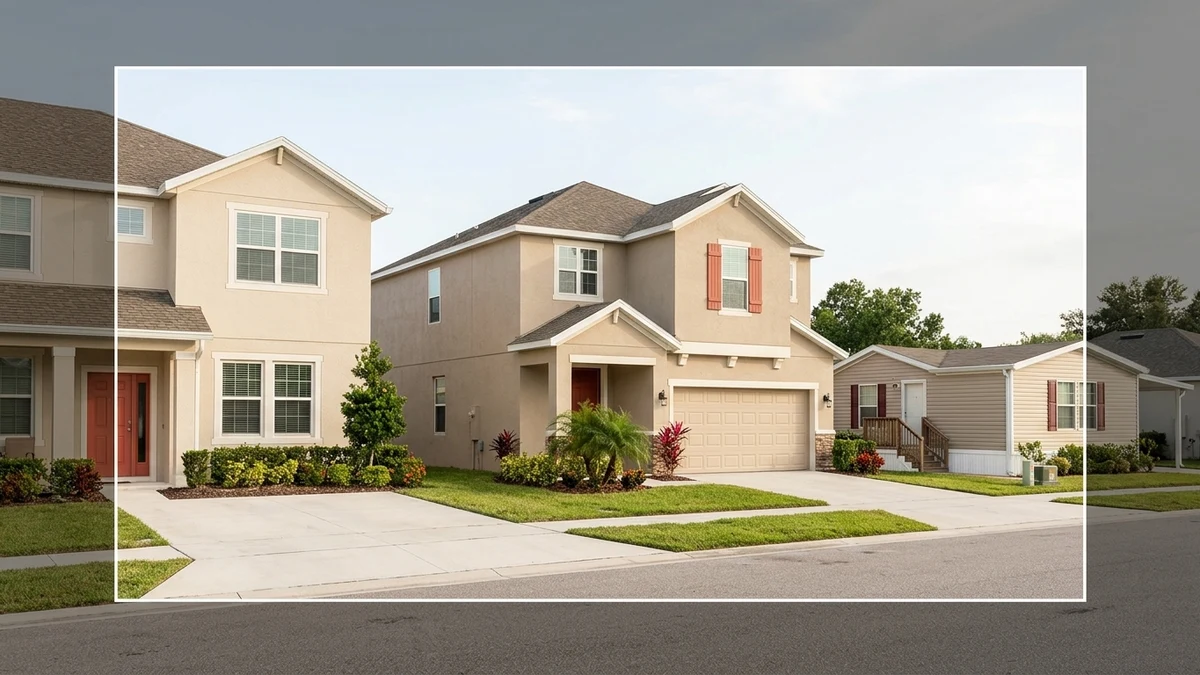
Compare the ownership, maintenance, association, insurance, and financing questions raised by townhomes, condos, manufactured homes, and single-family houses in Stuart.
On this page
- Start With How You Actually Want to Live
- Understand Association Documents Before You Compare Price
- Compare Maintenance Responsibilities Honestly
- Ask About Insurance Differently for Each Property Type
- Understand Financing Differences
- Weigh Resale Considerations
- Bring in the Right Professionals Before You Decide
Start With How You Actually Want to Live
A townhome, a condo, a manufactured home, and a single-family house can all work as a first purchase, but each one asks something different of its owner.
Before comparing prices, think honestly about how much maintenance you want to handle yourself and how much shared community living appeals to you.
A single-family house usually means full responsibility for the roof, the lawn, and every repair, along with the most flexibility to change the property over time.
Understand Association Documents Before You Compare Price
A townhome or condo often shares some of that responsibility through an association, in exchange for monthly dues and a set of community rules you do not get to write yourself.
Ask for the current association documents, budget, and reserve study on any townhome or condo before you get attached to it. These documents tell you far more than the listing description does.
Look specifically at how much of the monthly dues goes toward reserves versus current expenses, and whether a special assessment has happened recently or is being discussed.
Compare Maintenance Responsibilities Honestly
A well-run association with healthy reserves is a very different situation from one that is underfunded, even if the units themselves look similar.
Manufactured homes can offer a lower purchase price, but financing, land ownership versus land lease, and insurance can work differently than for site-built homes.
Ask directly whether the land is owned or leased, since that single detail changes financing options, long-term costs, and resale considerations significantly.
Ask About Insurance Differently for Each Property Type
A single-family house typically has the most straightforward maintenance responsibility, but also the least built-in support if something like a roof or AC system fails unexpectedly.
- Current association budget, reserves, and rules, if applicable
- Whether land is owned or leased, for a manufactured home
- What a master insurance policy covers versus what you must insure yourself
- Any lender restrictions tied to a specific property type
Insurance costs and requirements vary by property type as much as by location. A condo or townhome may have a master policy that covers some structures, while you still need your own coverage for the interior.
Understand Financing Differences
Ask your insurance agent specifically what a master policy covers and what you would still need to insure yourself before assuming you are fully protected.
| Property Type | Typical Maintenance Responsibility | Key Question to Ask First |
|---|---|---|
| Single-family house | Full responsibility for structure, roof, and yard | What is the age and condition of major systems? |
| Townhome | Shared exterior maintenance through an association | What do current association documents show? |
| Condo | Often includes building and common-area maintenance | What does the master policy actually cover? |
| Manufactured home | Owner-responsible, land status affects the rest | Is the land owned or leased? |
| 55+ community property | Association-managed, with community-specific rules | What are the age and occupancy requirements? |
Financing can also differ. Some lenders have different requirements for condos, manufactured homes, or properties in certain flood zones, which can affect your rate or down payment.
Weigh Resale Considerations
Ask your lender early which property types you are considering and whether any of them come with additional requirements or restrictions for your specific loan program.
Resale is worth thinking about even on a first purchase. Association rules, land ownership status, and property type can all affect how easily a future sale goes.
Bring in the Right Professionals Before You Decide
This does not mean choosing only for resale value. It means understanding the tradeoffs so your decision reflects your actual priorities, not just the sticker price.
- Your own tolerance for shared maintenance versus full responsibility
- How much upkeep you realistically want to handle yourself
- Whether a recent or pending special assessment exists
- How resale considerations differ by property type in this market
A licensed lender, an insurance agent, and, for association-governed properties, a careful read of the current documents should all be part of your decision before you make an offer.
This article is educational and does not constitute legal, financial, or tax advice. Verify current details with the appropriate professional or local authority before making a decision.

Written by